Water & product preparation
- Water treatment
- Sugar dissolving
- Mixing and syrup preparation
- Filtration
- Homogenization
- Carbonation
- Thermal processing
- CIP
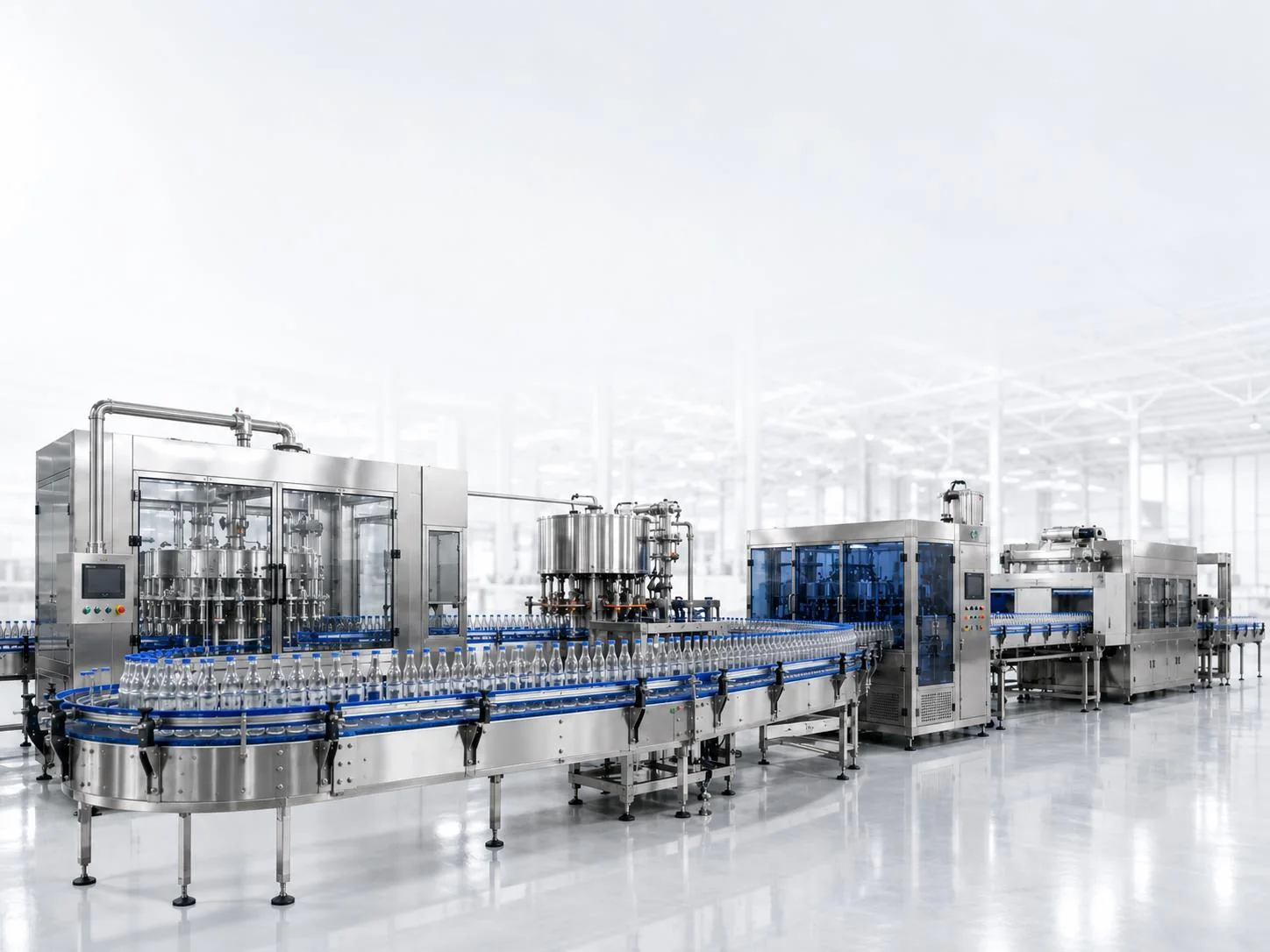
Define the equipment from your beverage, container, filling condition, accepted output, existing assets and end pack—then compare quotations on the same scope.
Before comparing models or prices, freeze the beverage condition, container and closure, accepted-output basis, existing assets and finished pack. These inputs determine the functions and interfaces a quotation must include.
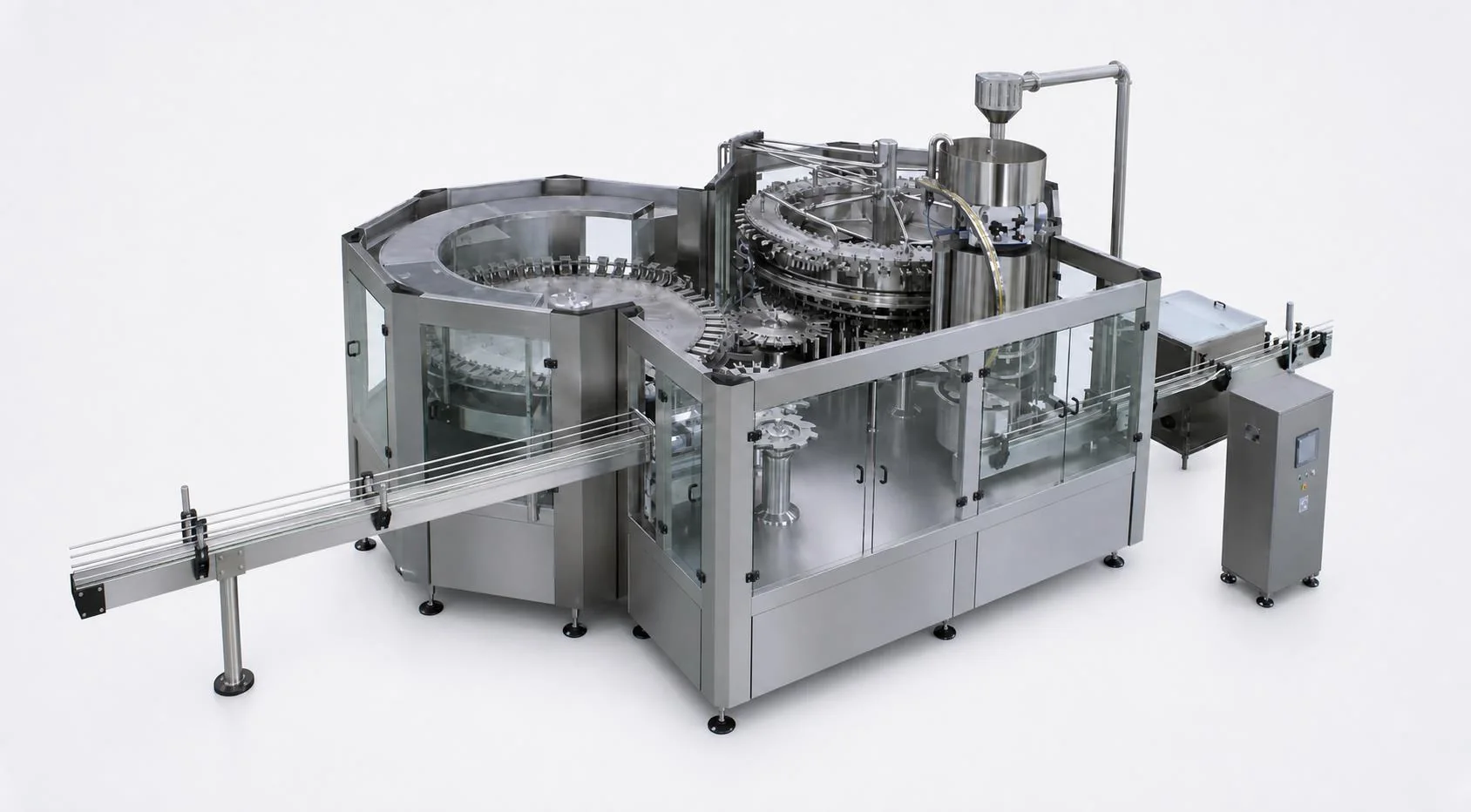 2026 CATALOG / EQUIPMENT VIEW
Build a complete functional scope and mark every module by status.
Continue →02Which filling route fits?Screen the filling method from product condition, package and closure.
Continue →03Can the modules work together?Check capacity, utilities, physical transfers and controls.
Continue →04Why do quotations differ?Normalize inclusions, automation, evidence, delivery and service.
Continue →05What should I send suppliers?Issue one controlled product, package, output and site brief.
Continue →These are different buyer tasks, not synonym articles. Each page produces evidence needed by the next purchase decision.
Record the known beverage, package, output, site and responsibility facts.
Open decision module →Turn critical facts into numbered, answerable and testable requirements.
Open decision module →Assign manual and automatic work across the full production route.
Open decision module →Normalize technical scope, project delivery and lifecycle cost boundaries.
Open decision module →Control drawings, manuals, tests, backups and handover revisions.
Open decision module →Connect design review, FAT, installation, SAT and open-item closure.
Open decision module →Start with the product condition, then connect the preparation, filling and post-fill route. Water is one category, not the whole website.
Treatment → container supply → still filling → pack
Open route →02Preparation → thermal route → hot fill → cooling
Open route →03Mixing → chilling → carbonation → isobaric filling
Open route →04Can preparation → filling → seaming → seam checks
Open route →05Product confirmation → filling route → package validation
Open route →Container preparation, transfer, filling, closure, inspection and packaging change across PET, glass, cans and large formats.
Seven project inputs create a transparent preliminary module list. Unknown technical decisions remain marked for confirmation.
Preliminary recommendation only. Final equipment selection depends on beverage formulation, filling temperature, container drawings, required output, local production conditions and confirmed technical requirements.
Use the map as a scope checklist. A project does not necessarily require every listed module.
The complete-line image now appears directly below the navigation. Twelve additional visuals cover upstream treatment, filling, post-fill handling and packaging without repeating the hero equipment.
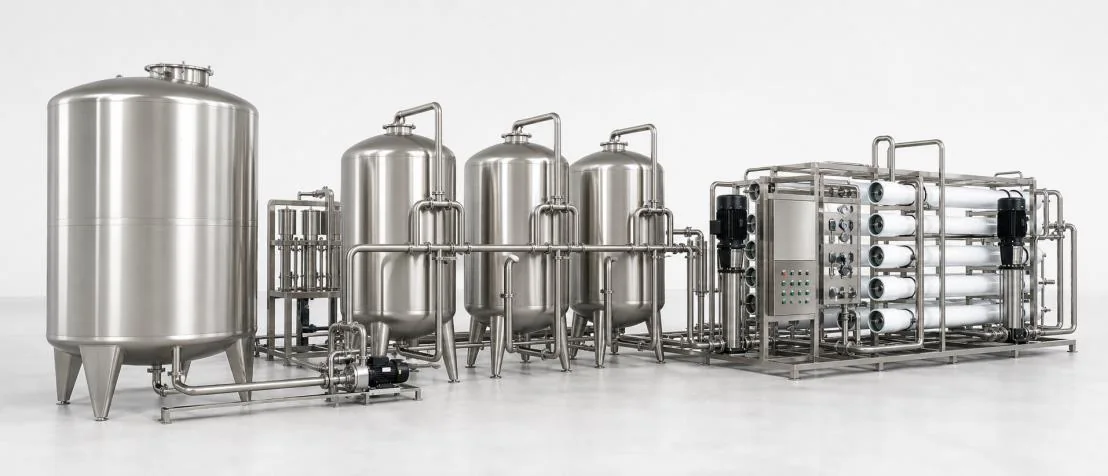
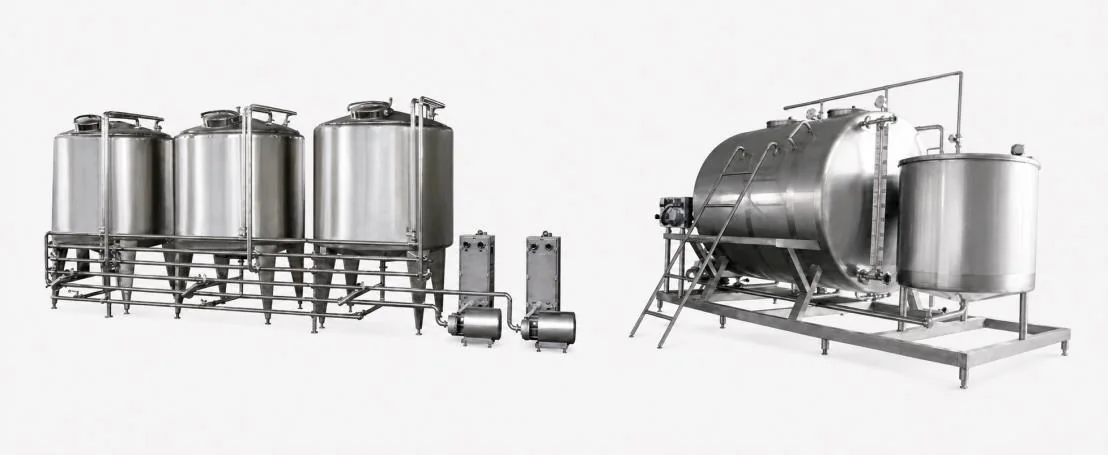
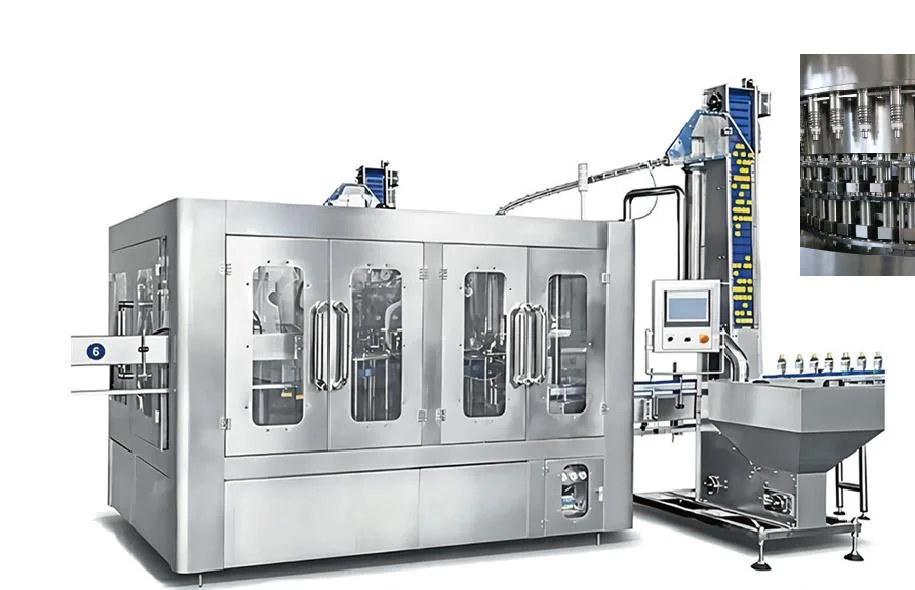
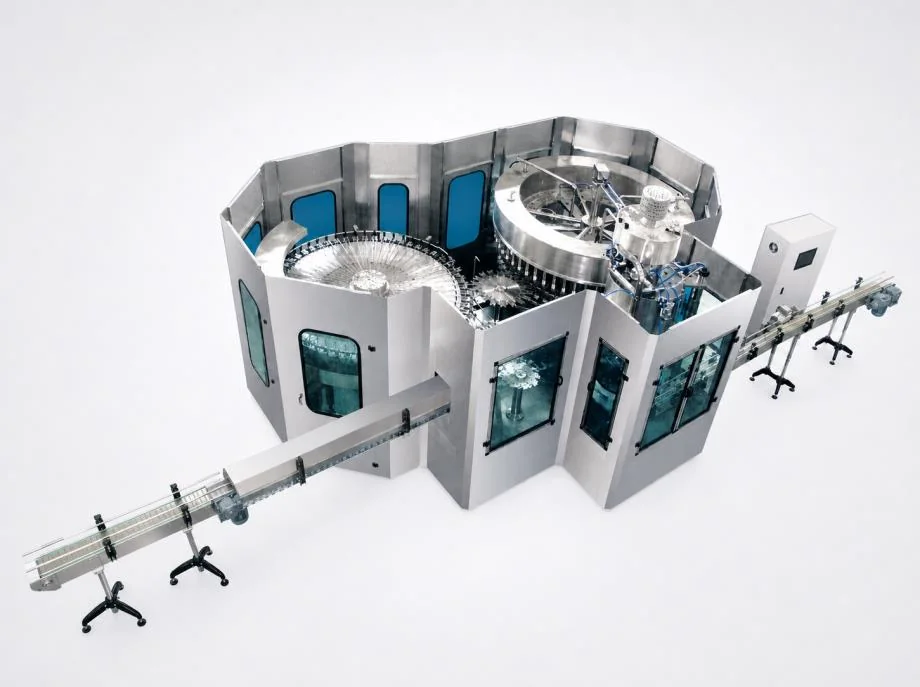
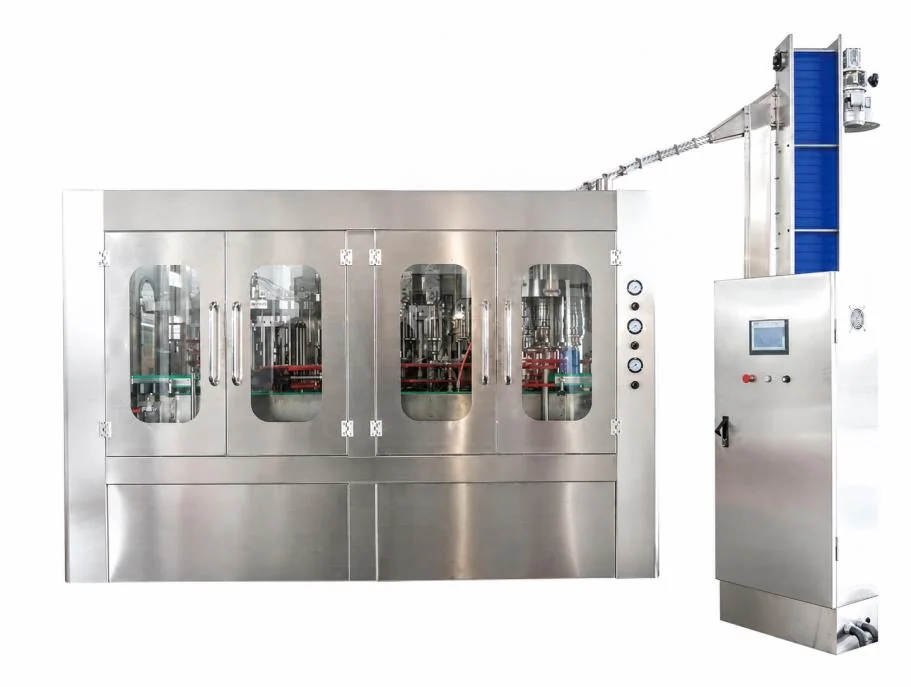
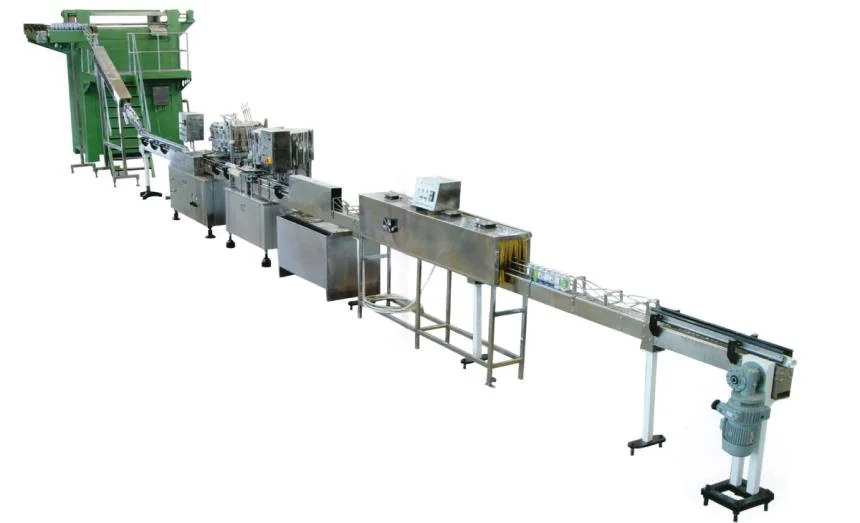
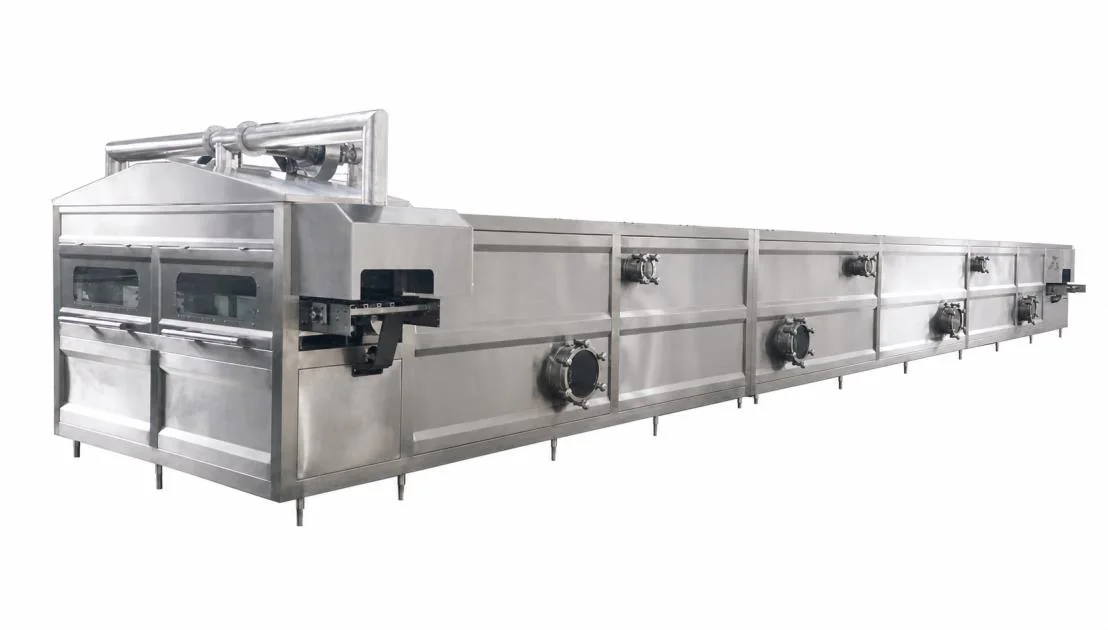
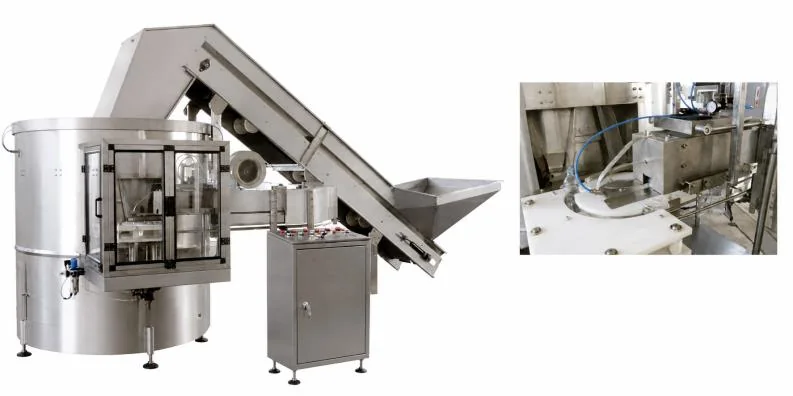
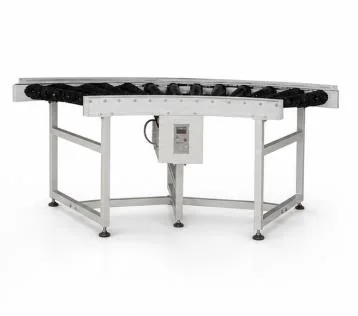
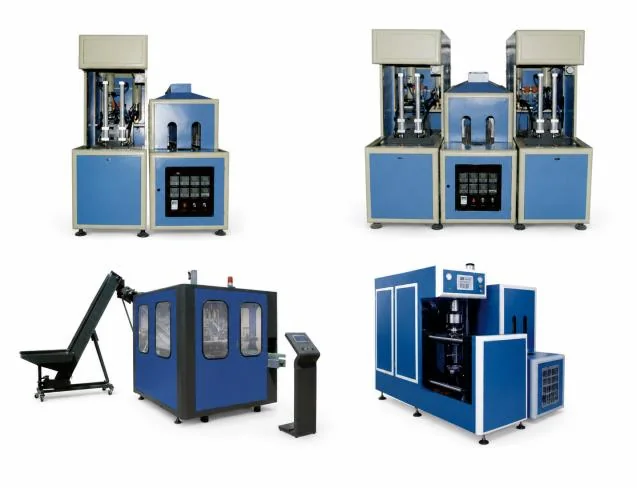
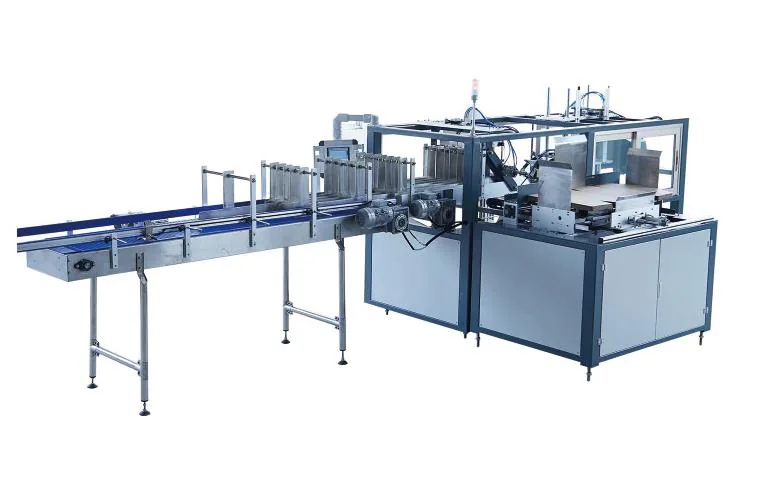
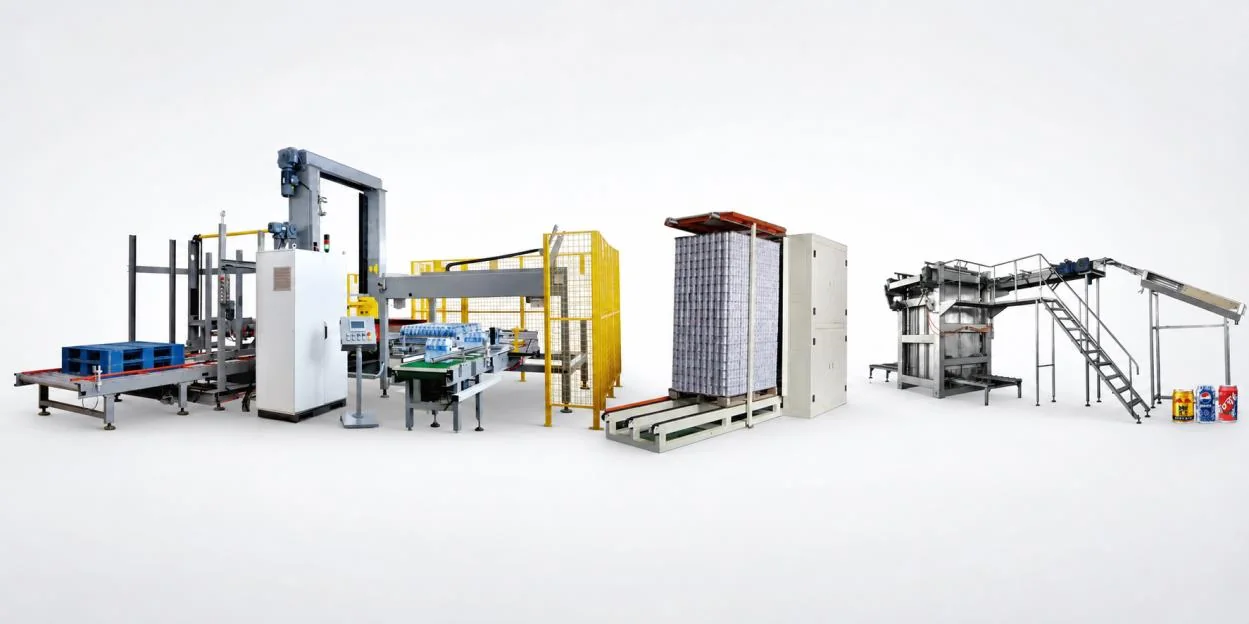
The same equipment can move between required, conditional and not-required as the beverage, container or existing factory changes.
| Equipment | Always required | Depends on product | Depends on container | Optional / upgrade |
|---|---|---|---|---|
| Water treatment | — | Yes | — | Existing system audit |
| Beverage preparation | — | Yes | — | Batch or continuous route |
| Container preparation | Function required | — | Equipment changes | Purchased container route |
| Filling & closing | Core | Method changes | Machine changes | Retrofit requires audit |
| Inspection | Quality plan required | Checks change | Checks change | Automation level |
| Secondary packaging | — | — | Pack route changes | Loose product possible |
Speed references can use different containers, conditions and measurement boundaries. Stable output depends on buffers, bottle accumulation, labeling and packing efficiency, changeovers, rejects, product behavior and operating discipline.
Open capacity matching guideDefine product, package, reference output, factory zones, utilities, commercial pack and expansion plan before individual machine choices harden the layout.
Plan a new project →Record actual speed, stops, bottle specifications, conveyor height, controls, utilities, space and the current bottleneck before choosing a replacement machine.
Audit an existing line →Allot Tech coordinates project-specific manufacturing resources and interfaces. The site does not claim every machine is made in one owned factory.
Mr Kcal is your Allot Tech project contact. Required: name, country, email or WhatsApp, beverage, container, capacity and consent. Everything else can be confirmed progressively.
It produces a preliminary equipment-module scope with recommended, optional, not-required and confirmation-required statuses. It is not a final quotation or engineering design.
Yes. The review starts with existing equipment, measured output, bottle specifications, interfaces, utilities, layout and the current constraint.
No. Catalog model data is a reference. Final technical data, availability and service scope are confirmed in the project quotation and signed technical agreement.