Operated by Allot Tech (Suzhou) Co., Ltd.
Equipment selection & integration

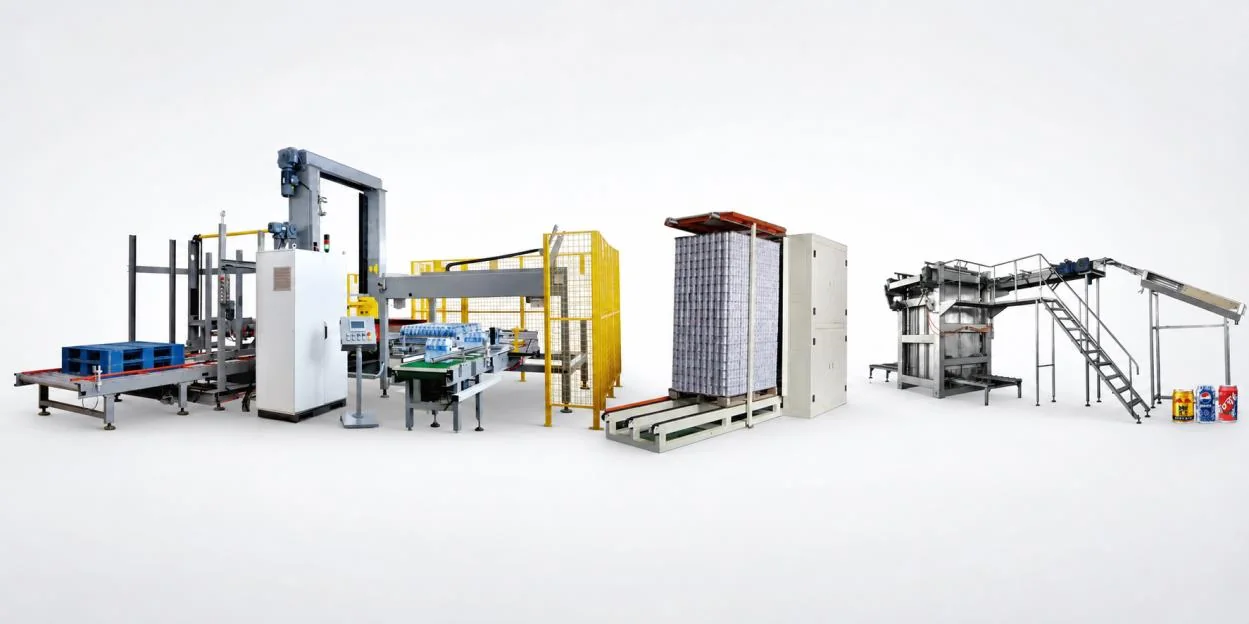
Equipment Integration Turns Separate Machines Into a Production System

Integration defines how product, containers, packs, signals, utilities, people and documents cross supplier boundaries. It continues through FAT, installation, commissioning and controlled ramp-up.

Direct answer

What should an equipment integration plan contain?

It should identify physical, process, utility, control, safety and documentation interfaces; owners and due dates; layout approvals; FAT and SAT evidence; installation sequence; training; and open-item closure.

01

Approve interface records before production

Use layout, general arrangement, product piping, utility load, conveyor, I/O and safety-boundary documents to prevent late assumptions.

  • Approved drawings
  • Interface register
  • Utility schedule
  • Responsibility matrix
02

Test in meaningful stages

FAT should verify the agreed factory scope with defined samples and conditions. SAT verifies the installed system under confirmed site conditions.

  • Reference SKU and materials
  • Test duration and good output
  • Open-item list
  • Retest and acceptance rule
03

Ramp up under control

Commission utilities and individual machines before connected operation. Track recurring stops, settings, training needs and temporary fixes until production is repeatable.

  • Commissioning sequence
  • Baseline settings
  • Operator training
  • Issue owner and closure date
Equipment dependency

Read the page as a connected equipment graph.

Every equipment decision has an upstream condition, a current function and a downstream handoff.

01Before build

Freeze requirements, drawings, interfaces and change control.

02Before shipment

Complete FAT, documents, packing and open-item plan.

03At site

Install, commission, train, test and ramp up against the agreed basis.

Evidence boundary

Catalog reference where supported. Project confirmation where required.

The supplied Allot Tech 2026 catalog supports named equipment groups such as water treatment, beverage preparation, CIP, bottle handling, filling platforms, labeling, conveying and secondary packaging. It does not make every module mandatory for every project.

VERIFIED

Company identity, contact route, named equipment categories and catalog reference flows.

REFERENCE

Application routes and model-family context from the supplied catalog.

REQUIRES CONFIRMATION

Output, power, dimensions, materials, components, process conditions, availability, price and service scope.

PROHIBITED

Invented performance, price, certifications, projects, reviews, factory claims or guarantees.

Buyer questions

Frequently asked questions

These answers frame the equipment decision. The final process and equipment remain project-specific.

Are FAT and SAT the same?

No. FAT is performed before shipment within the agreed factory scope; SAT checks the installed system under site conditions.

Who owns inter-machine performance?

The contract and interface matrix must state supplier and buyer responsibilities; it should not be left implicit.

Turn the page into a project brief

Send your beverage, container and output for a configuration review.

Send project requirementsWhatsApp Allot Tech →