Confirm the formulation basis
Pulp, fibers, solids, acidity, sensitivity and intended shelf-life route affect preparation and filling equipment.
- Recipe or product description
- Ingredient form
- Particle information
- Preservation objective
Juice and tea equipment must be configured around formulation, ingredient form, filtration, preservation method, filling condition, container resistance and post-fill treatment.
A preliminary hot-fill route may include water treatment, sugar dissolving, mixing, filtration, product-specific conditioning, thermal treatment, buffer tanks, CIP, hot filling, closure treatment, cooling, drying, labeling and packing.
Pulp, tea extract, oxygen sensitivity and the approved preservation route can change preparation, filling and post-fill equipment.
| Selection gate | Confirm | Evidence |
|---|---|---|
| Formula and particles | Viscosity, solids and pulp range | Representative product trial |
| Preservation route | Approved time/temperature or alternative | Process-authority basis |
| Filling package | Filling temperature, bottle and cap | Package qualification |
| Post-fill treatment | Inversion/cooling and surface condition | Validated route and label-ready handoff |
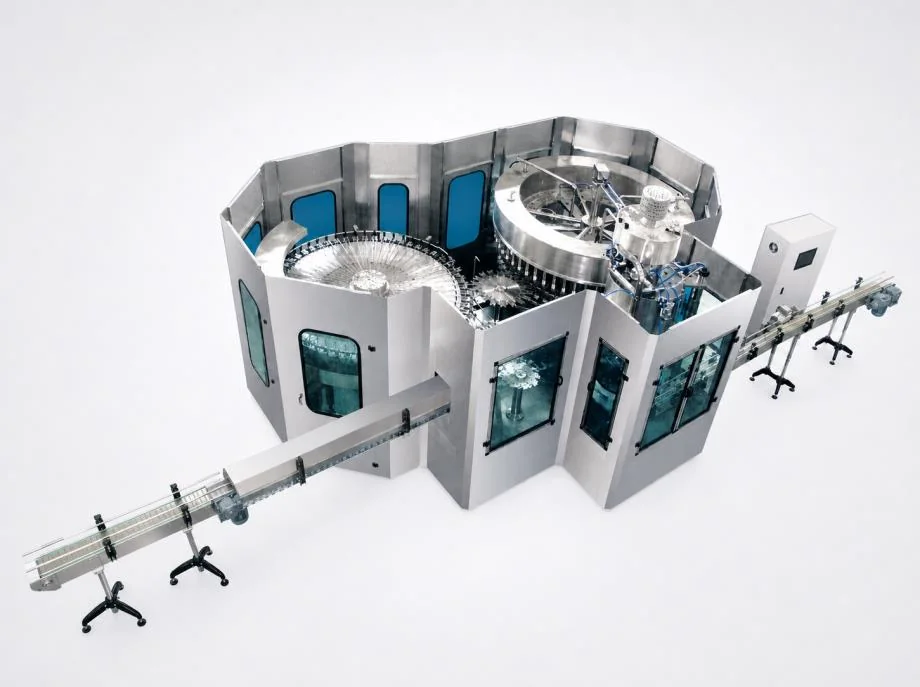
Pulp, fibers, solids, acidity, sensitivity and intended shelf-life route affect preparation and filling equipment.
The process condition at filler inlet and the container-temperature window must be defined together with post-fill inversion or cooling where applicable.
They can share parts of a hot-fill architecture, but preparation, filtration and product-specific conditions may differ.
Every equipment decision has an upstream condition, a current function and a downstream handoff.
Prepared, treated product at a confirmed condition.
Fill and close in a compatible container.
Treat closure/head where required, cool, dry, inspect, label and pack.
The supplied Allot Tech 2026 catalog supports named equipment groups such as water treatment, beverage preparation, CIP, bottle handling, filling platforms, labeling, conveying and secondary packaging. It does not make every module mandatory for every project.
Company identity, contact route, named equipment categories and catalog reference flows.
Application routes and model-family context from the supplied catalog.
Output, power, dimensions, materials, components, process conditions, availability, price and service scope.
Invented performance, price, certifications, projects, reviews, factory claims or guarantees.
These answers frame the equipment decision. The final process and equipment remain project-specific.
No. Both depend on formulation, particles, quality target and the confirmed process.
No. They are different process architectures and must not be treated as interchangeable.